
Quick Legal Explainer: 5 Key Supreme Court Cases to Watch in 2026
A preview of what's to come in the new year.

Ryan Powers is a Harvard-trained lawyer and legal analyst featured in The Los Angeles Times, The Guardian, The Hill, and more.
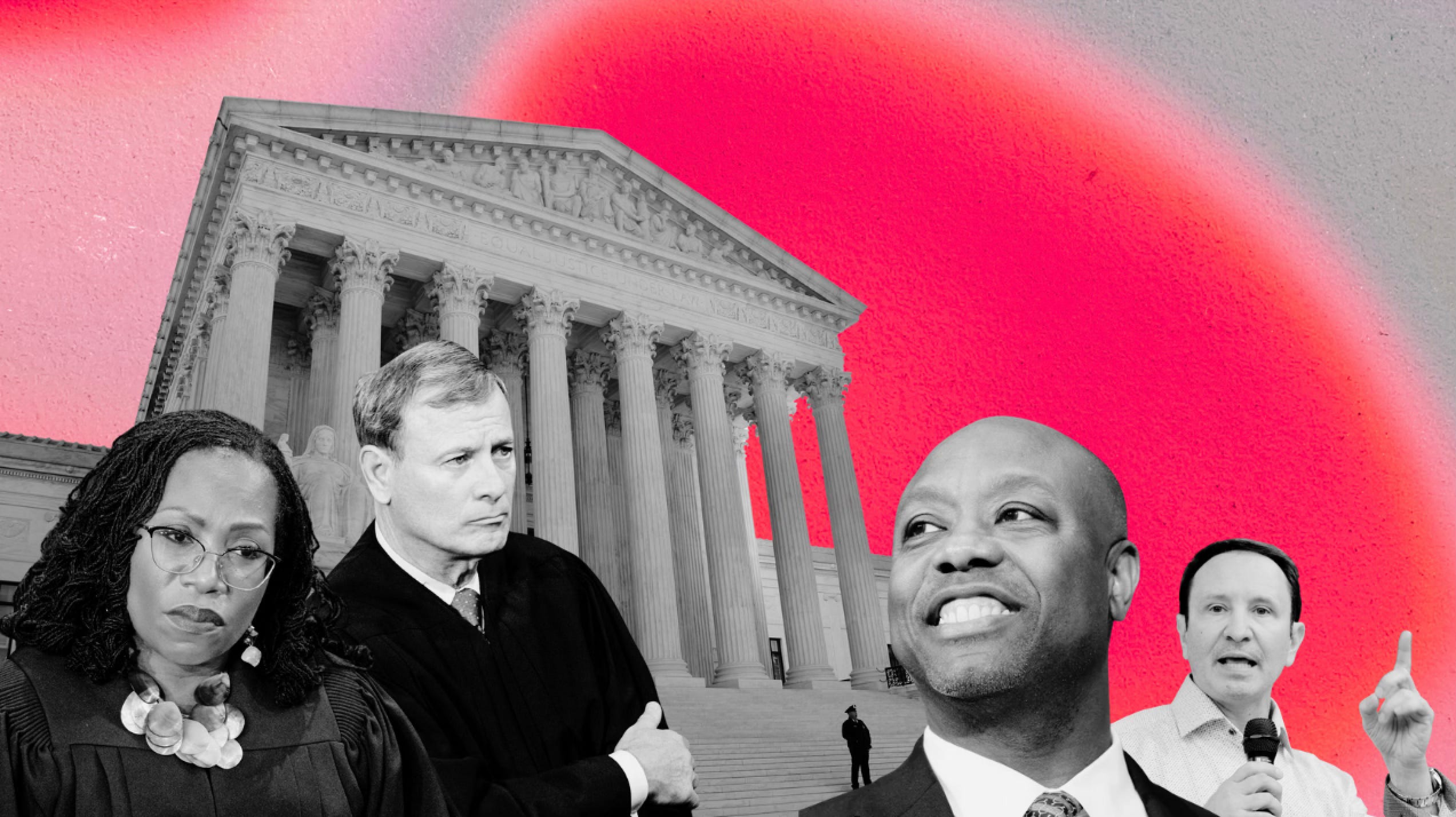
In recent years, the Supreme Court has significantly narrowed the scope of federal protections. The Court has curtailed voting rights enforcement, hindered the ability of agencies to implement and defend their own regulations, and limited how states can enforce anti-discrimination laws. Under the most conservative Court we’ve seen in nearly a century, those constraints are now becoming the baseline against which future civil rights claims will be judged.
Several cases on the Court’s current docket ask whether longstanding legal frameworks - governing redistricting, campaign finance, professional regulation, and law enforcement authority - can continue to operate. Others test how far states and Congress may go in enforcing protections without running afoul of the First Amendment. Here’s a preview of some cases to watch, and the existing principles they could very well implicate.
Louisiana v. Callais: The Voting Rights Act
At the center of Louisiana v. Callais is a question that has quietly defined voting rights law for more than half a century: whether states may consider race when drawing electoral maps in order to prevent discriminatory gerrymandering. After the 2020 Census, Louisiana enacted a congressional map containing only one majority Black district, despite Black residents making up roughly one-third of the state’s population. A federal court ruled that the map violated Section 2 of the Voting Rights Act (VRA) - which concerns racial discrimination - and ordered the state to draw a second majority Black district. Louisiana complied. White voters then sued, arguing that the new map itself violated the Equal Protection Clause because race had been considered in its construction.
The Supreme Court is now being asked to decide whether compliance with the VRA can itself be unconstitutional. If the Court rules for the challengers, states will be placed in an impossible position: required by federal law to prevent race-based gerrymandering, yet barred from considering race when doing so. The practical effect would be to hollow out Section 2 without formally overruling it. While Allen v. Milligan temporarily preserved the VRA in 2023, Callais may determine whether that decision had any lasting force. A ruling against Louisiana would make it dramatically harder for voters of color to challenge discriminatory maps, reshaping congressional representation likely for at least the next decade.
National Republican Senatorial Committee v. FEC: Campaign Finance
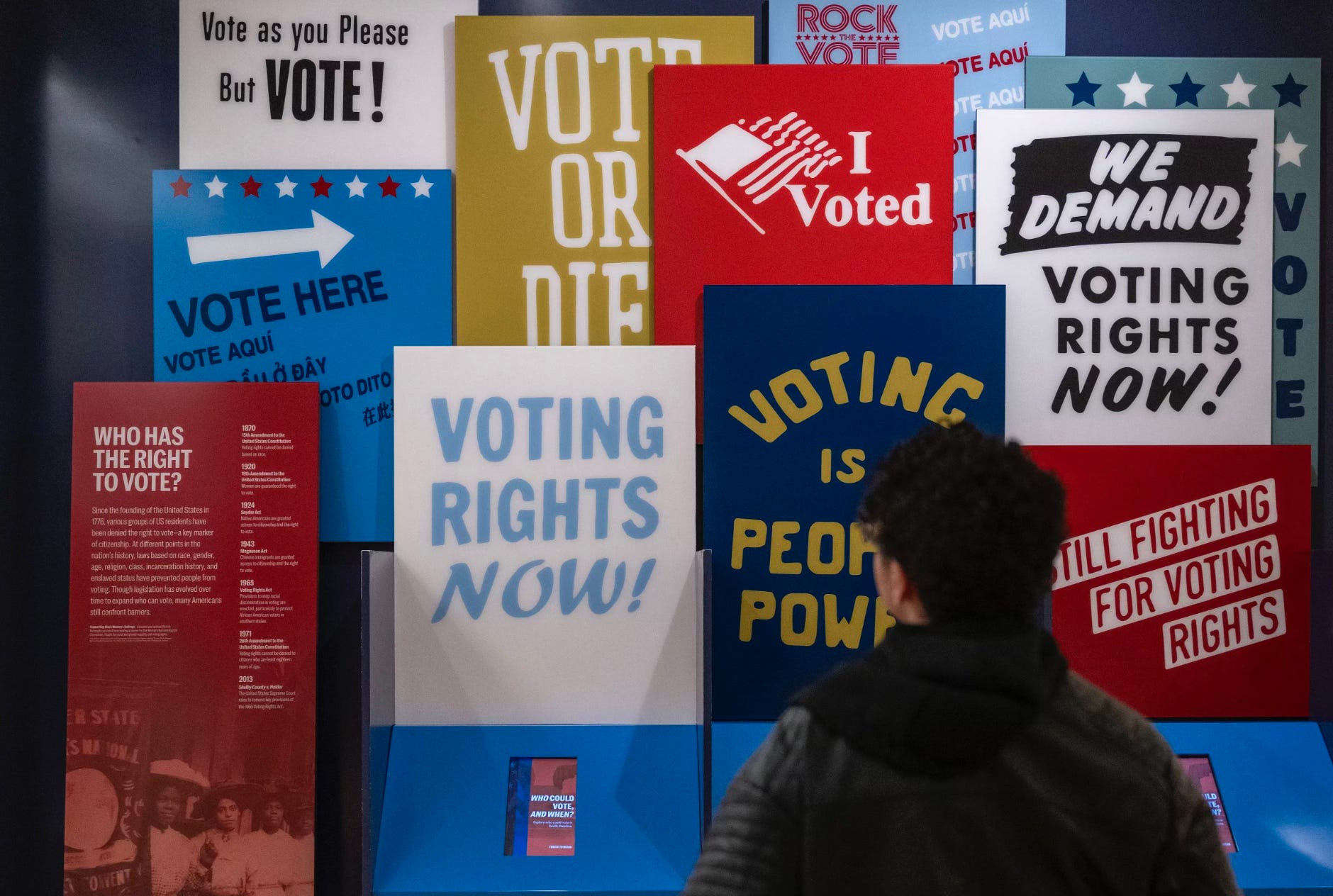
In NRSC v. FEC, the Court is confronting one of the last remaining pillars of campaign finance law: limits on coordinated spending between political parties and candidates. Federal law currently treats parties differently from independent super PACs, prohibiting them from directly coordinating unlimited expenditures with candidates. The National Republican Senatorial Committee - led by Sen. Tim Scott - argues that these limits violate the First Amendment by restricting political association and speech.
If the Court agrees, the consequences would be vast. Political parties would effectively become unlimited spending vehicles, allowing wealthy donors to route massive sums through party committees while avoiding existing caps. The distinction between candidates, parties, and super PACs would largely collapse. This case could do for party spending what Citizens United did for independent expenditures, accelerating the role of money in politics and further weakening already-fragile campaign finance safeguards. For voting rights advocates, the concern is that as financial power concentrates, electoral influence becomes even less evenly distributed.
First Choice Women’s Resource Centers v. Platkin: The First Amendment
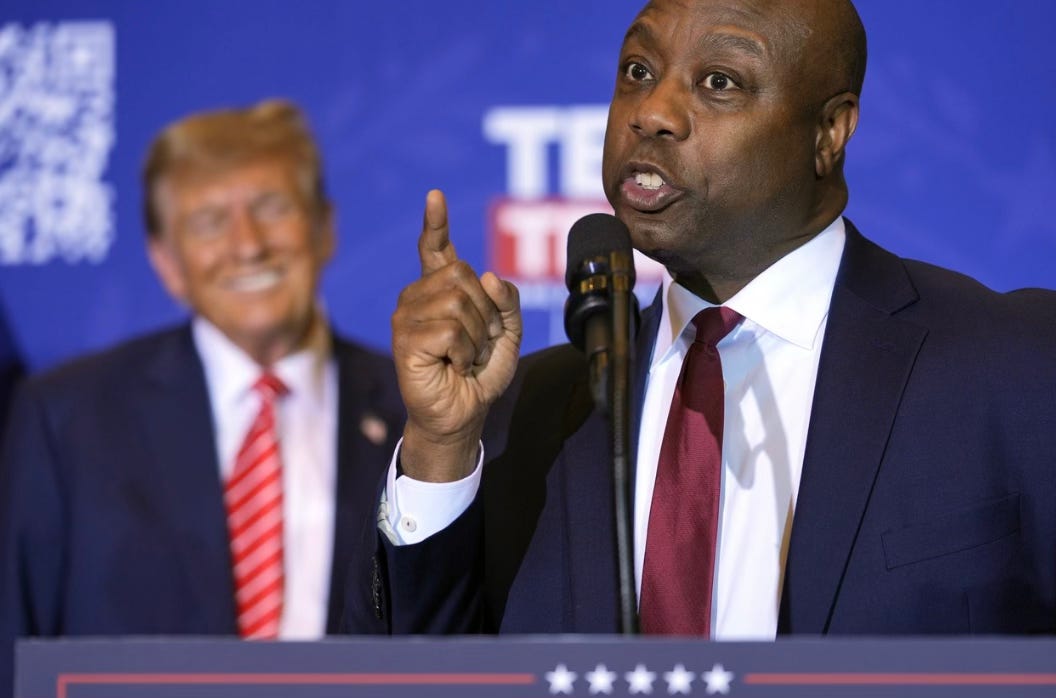
First Choice Women’s Resource Centers v. Platkin arises from a New Jersey investigation into whether a faith-based crisis pregnancy center misled patients about reproductive health services. Rather than challenge any eventual enforcement action, the center sued preemptively, arguing that the investigation itself violated its First Amendment rights by chilling speech.
The legal question is deceptively technical but enormously consequential: can a party invoke the First Amendment to block a state investigation before any enforcement occurs? If the Court says yes, it would dramatically limit the ability of states to enforce consumer protection, civil rights, and public health laws. Organizations could shield themselves from oversight simply by claiming that compliance would burden speech or expression.
The implications here extend far beyond abortion politics. A ruling for the challenger could make it harder for states to investigate discriminatory practices, fraudulent claims, or civil rights violations whenever an organization frames its conduct as ideological expression. It would mark a major expansion of First Amendment defenses against traditionally standard regulation procedures.
Chiles v. Salazar: Also the First Amendment
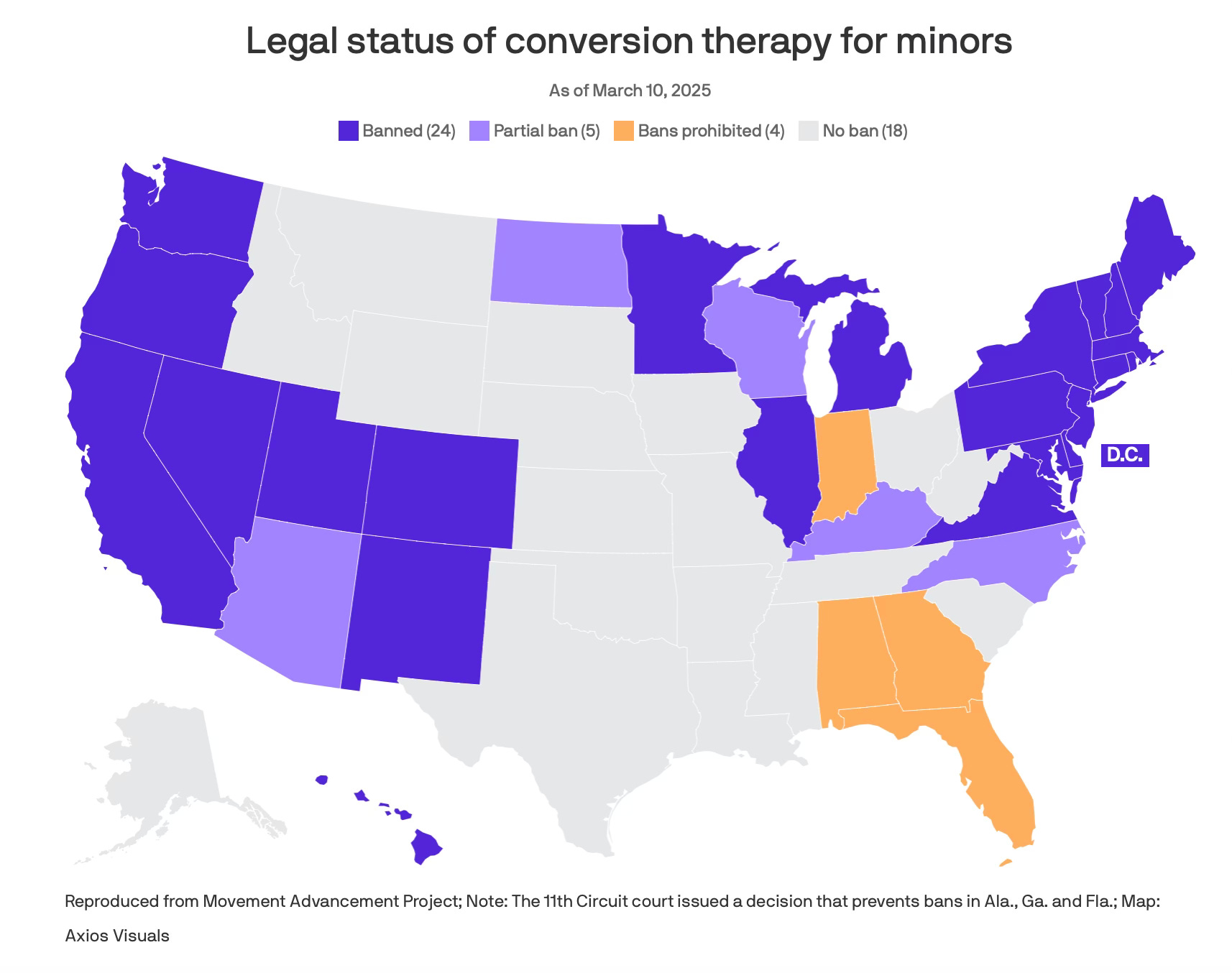
Chiles v. Salazar asks whether states may prohibit licensed therapists from engaging in conversion therapy with minors, or whether such bans violate the First Amendment. The challengers argue that therapy consists of speech, not conduct, and that banning certain therapeutic approaches amounts to unconstitutional viewpoint discrimination.
The stakes here extend well beyond conversion therapy itself. If the Court holds that professional advice is fully protected speech, states could lose broad authority to regulate medical and mental health practices. Longstanding treatment standards and patient protection laws would all become more vulnerable to constitutional challenge.
For LGBTQ+ advocates, the stakes are particularly high. Conversion therapy bans were enacted to protect minors from practices widely condemned as harmful and unscientific. A ruling striking them down would open the floodgates to both those specific practices and broader protections for LGBTQ+ youth. More broadly, it would redefine the boundary between professional regulation and free speech in ways that ripple across the health care industry.
Case v. Montana: The Fourth Amendment
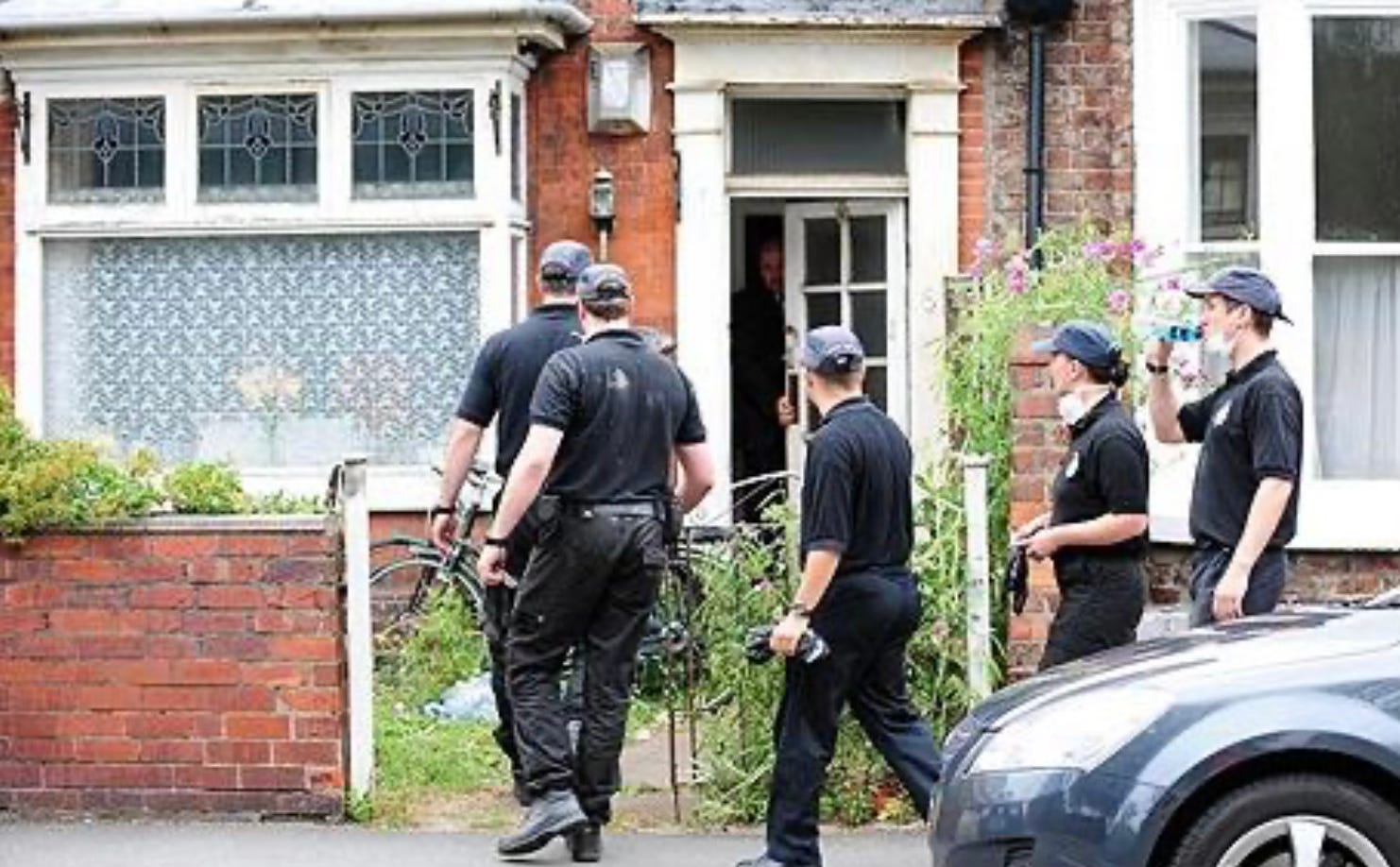
Case v. Montana addresses a recurring but unresolved Fourth Amendment question: when can police enter a home without a warrant under the “emergency aid” exception? In this case, officers entered a residence without a warrant based on a perceived emergency. The dispute centers on whether such entry requires probable cause or whether a lesser “reasonable belief” standard suffices.
The Court’s answer will shape everyday policing. A ruling favoring a lower standard would expand law enforcement’s ability to enter homes without judicial approval, weakening one of the Constitution’s strongest privacy protections. Such a shift would be felt most acutely in communities that already experience frequent police contact, chiefly low-income communities and those of color.
This case may not carry the political profile of voting rights or campaign finance, but its impact on civil liberties could be just as significant, possibly defining how much protection the Fourth Amendment still provides inside the home.
The Throughline
Taken together, these five cases reveal how precarious foundational civil rights look moving into the new year. Voting protection can be narrowed through equal protection doctrine. Campaign finance limits can be reframed as speech restrictions. Civil rights investigations can be recast as censorship. Professional regulation can become suspect. Police authority can expand through doctrinal reinterpretation.
None of these cases announces a dramatic constitutional break on its own. But together, they represent a steady shift in how power and accountability function in practice, one that will shape American democracy long after this term ends.