
Can the First and Second Amendments coexist?
Probably. But modern interpretations have created an unavoidable tension.

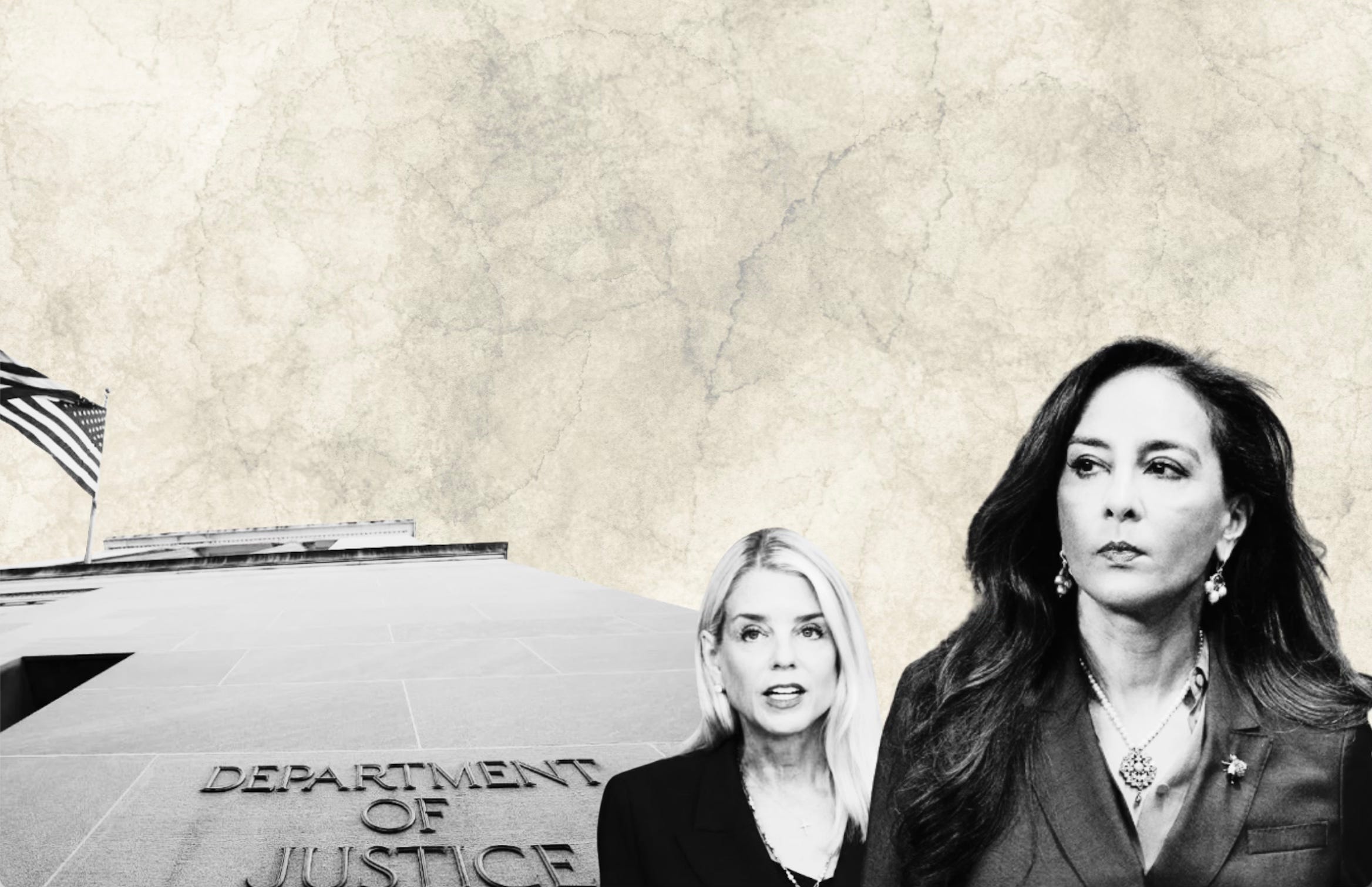
Yesterday, Reuters reported that the Department of Justice plans to open a gun rights office within its civil rights division. The office - named the Second Amendment Rights Section - will focus on enforcing the constitutional right to bear arms and examining local laws or policies that limit gun rights. It plans to open December 4.
The move comes after the Trump Administration shut down the White House Office of Gun Violence Prevention earlier this year. The gun violence crisis, meanwhile, rages on. As of today, the Gun Violence Archive - the leading database of gun-related incidents in the U.S. - has recorded 379 mass shootings since January. The archive defines a mass shooting as an episode where four or more people are killed or wounded, excluding the shooter.
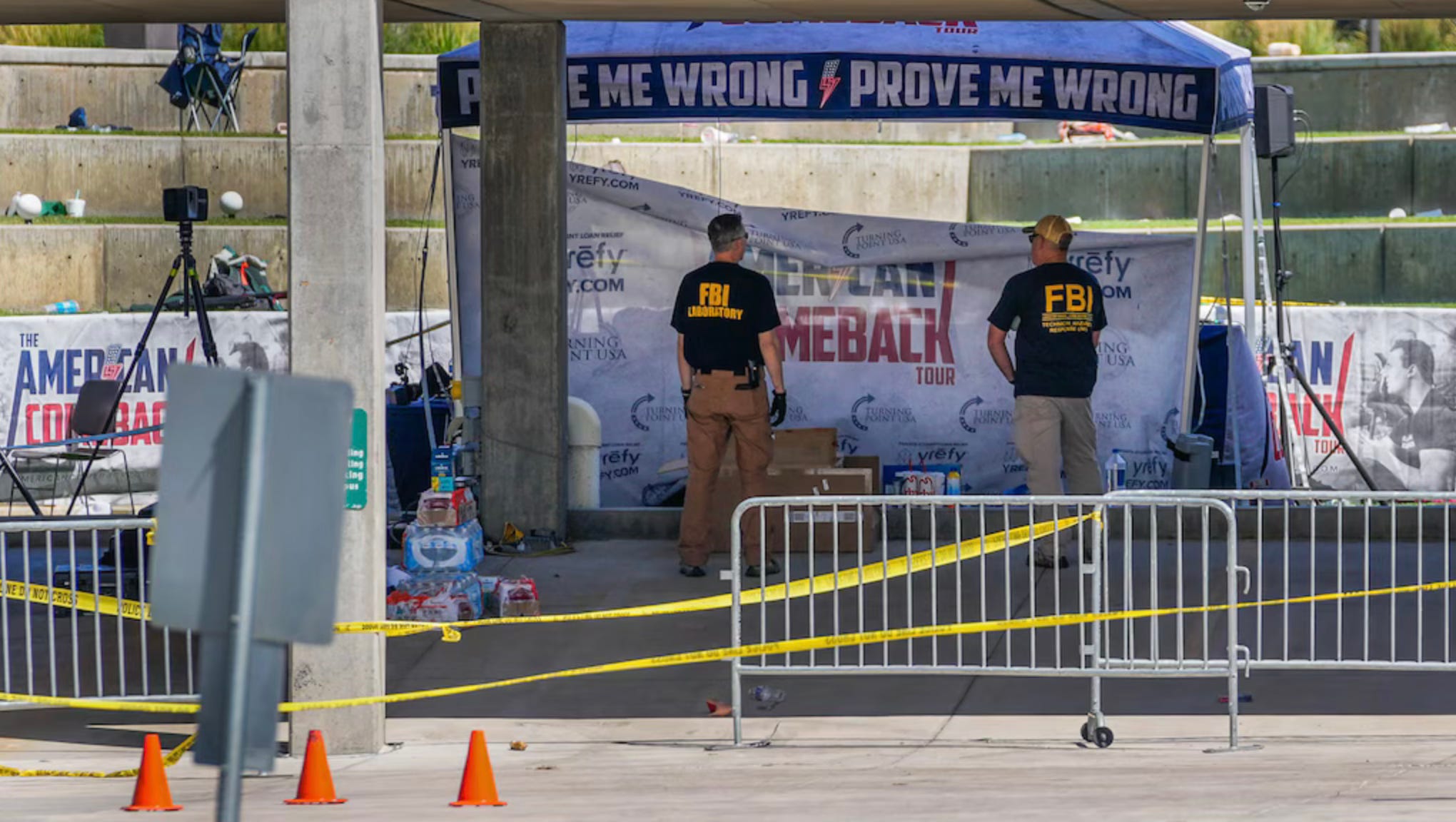
Of course, that definition doesn’t include targeted political assassinations, like that of conservative activist Charlie Kirk, who was shot and killed while speaking at Utah Valley University just two months ago. This incident is perhaps the most clear example of a pressing legal conundrum: what happens when the Second Amendment comes into direct conflict with other key constitutional freedoms?
Gun rights advocates point to the Constitution as the ultimate authority; for many, the text alone sanctifies the right to bear arms. But the Constitution promises more than a single liberty. When a speaker is gunned down for exercising free speech, the First and Second Amendments collide head-on, and one inevitably constrains the other. Under that pressure, the idea that all constitutional rights can coexist without compromise collapses.
Prior to Kirk’s assassination, a petition had circulated calling on Utah Valley University to block him from appearing, citing his incendiary rhetoric and history of stoking division. Yet the university declined, stressing that UVU “affirms [its] commitment to free speech, intellectual inquiry, and constructive dialogue.” At its core, the university’s decision to host Kirk reflected allegiance to the First Amendment.
The First Amendment promises Americans the freedoms of speech, religion, assembly, press, and petition - liberties that define public life and democratic participation. The Second declares that the people have a right to keep and bear arms. They seem compatible in theory, but when the right to bear arms makes the right to speak, worship, and assemble less secure, coexistence gives way to hierarchy.
The First Amendment freedoms of religion, assembly, and speech all depend on a baseline of physical safety; without it, they shrink from enshrined rights into fragile abstractions. Worshippers hesitate to gather, protesters weigh the risk of a gunman before attending a rally, and speakers calculate whether a public appearance is worth the danger. In practice, the current scope of the Second Amendment has steadily weakened the protections of the First, leaving two constitutional guarantees in open conflict.
How the Strain Shows Up
Consider the First Amendment right to free exercise of religion. In 2018, a gunman stormed the Tree of Life synagogue in Pittsburgh during Shabbat services, murdering 11 worshippers in the deadliest antisemitic attack in U.S. history. From Charleston to Sutherland Springs to Poway, houses of worship have become targets, and the act of worship itself has become a liability. The First Amendment’s guarantee of religious liberty means little when simply gathering for a service carries the real risk of targeted violence.
The right to assemble and participate in civic life has eroded in tandem. Schools - the most essential forum for children to assemble - have become recurring crime scenes. In August, a gunman opened fire at Annunciation Catholic School in Minneapolis, killing two students during the school day. Only hours after Kirk was shot, another gunman wounded several other students at Evergreen High School outside Denver.
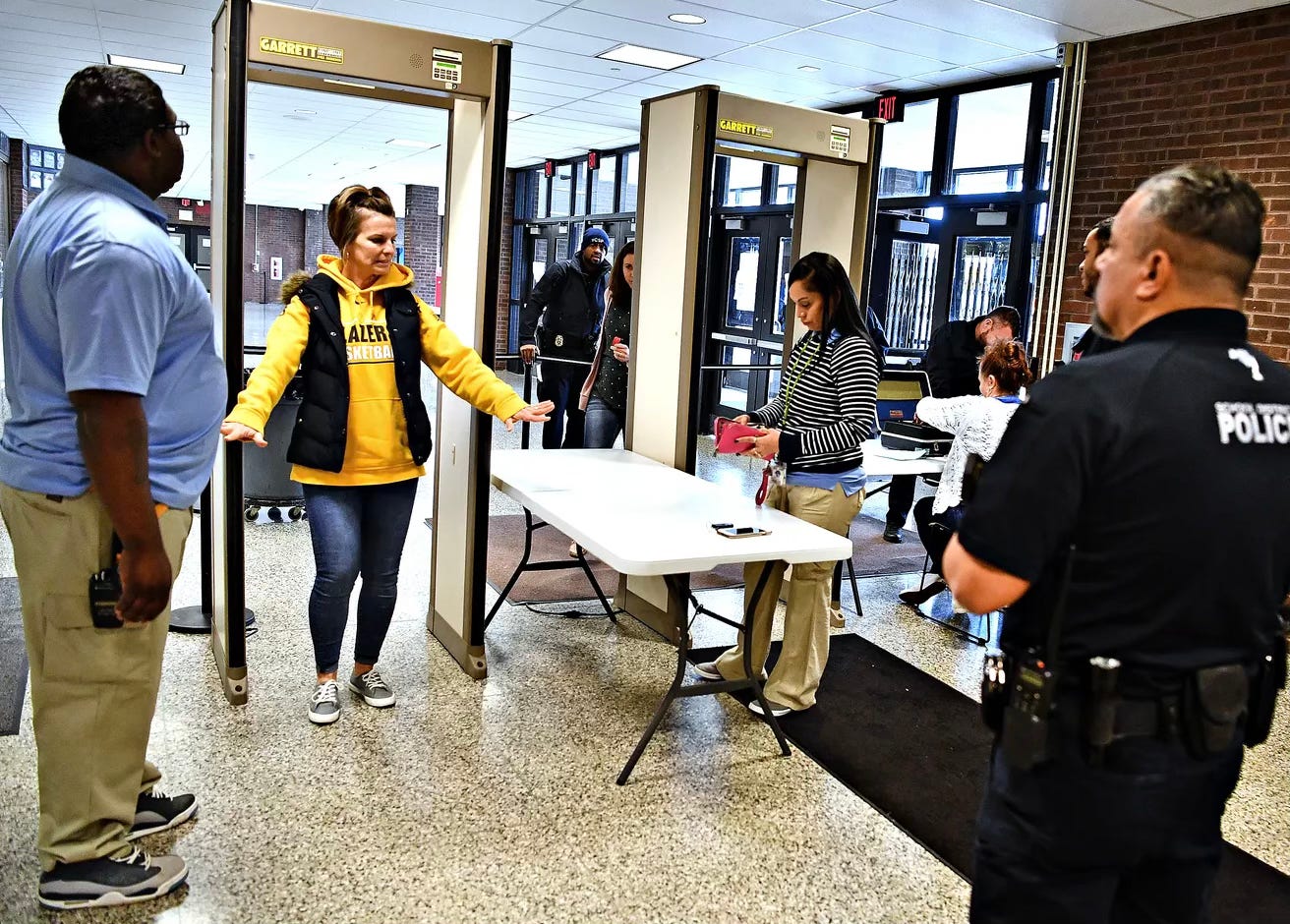
Education in America is now inseparable from lockdown drills and metal detectors. And beyond schools, the same pattern extends to protests and polling places, where armed intimidation has reshaped what it means to congregate. The right to assemble has not disappeared, but it has been steadily narrowed into a right to gather under fear.
Perhaps most clear is the threat to free speech. Public figures and politicians have repeatedly been attacked for voicing their beliefs, with former Rep. Gabby Giffords offering the first real warning of the modern era. In January 2011, Giffords was shot in the head while speaking with constituents outside a Tucson grocery store. The event was otherwise intended to be a routine exercise of political dialogue at the heart of the First Amendment.
The years since have only confirmed this danger. In June, a gunman murdered Minnesota House Speaker Melissa Hortman and her husband in their home and shot State Senator John Hoffman and his wife, who were hospitalized with serious injuries. And of course, Charlie Kirk.
The Legal Basis of the Conflict
This steady hollowing of the First Amendment at the expense of the Second has been reinforced at every level of American life. In 2008, the Supreme Court’s decision in District of Columbia v. Heller held for the first time that individuals have a constitutional right to possess firearms for self-defense in the home. Two years later, McDonald v. Chicago extended that right to the states, ensuring that expansive gun ownership became a nationwide constitutional guarantee.
In 2022, New York State Rifle & Pistol Association v. Bruen went further, striking down New York’s century-old requirement that applicants show “proper cause” to carry a concealed handgun in public and held that courts may uphold modern gun regulations only if they are consistent with the nation’s historical tradition of firearm regulation. Taken together, these rulings did more than expand gun rights: they cemented a legal framework where weapons are presumed in public life, making political speech, worship, and assembly increasingly dangerous.
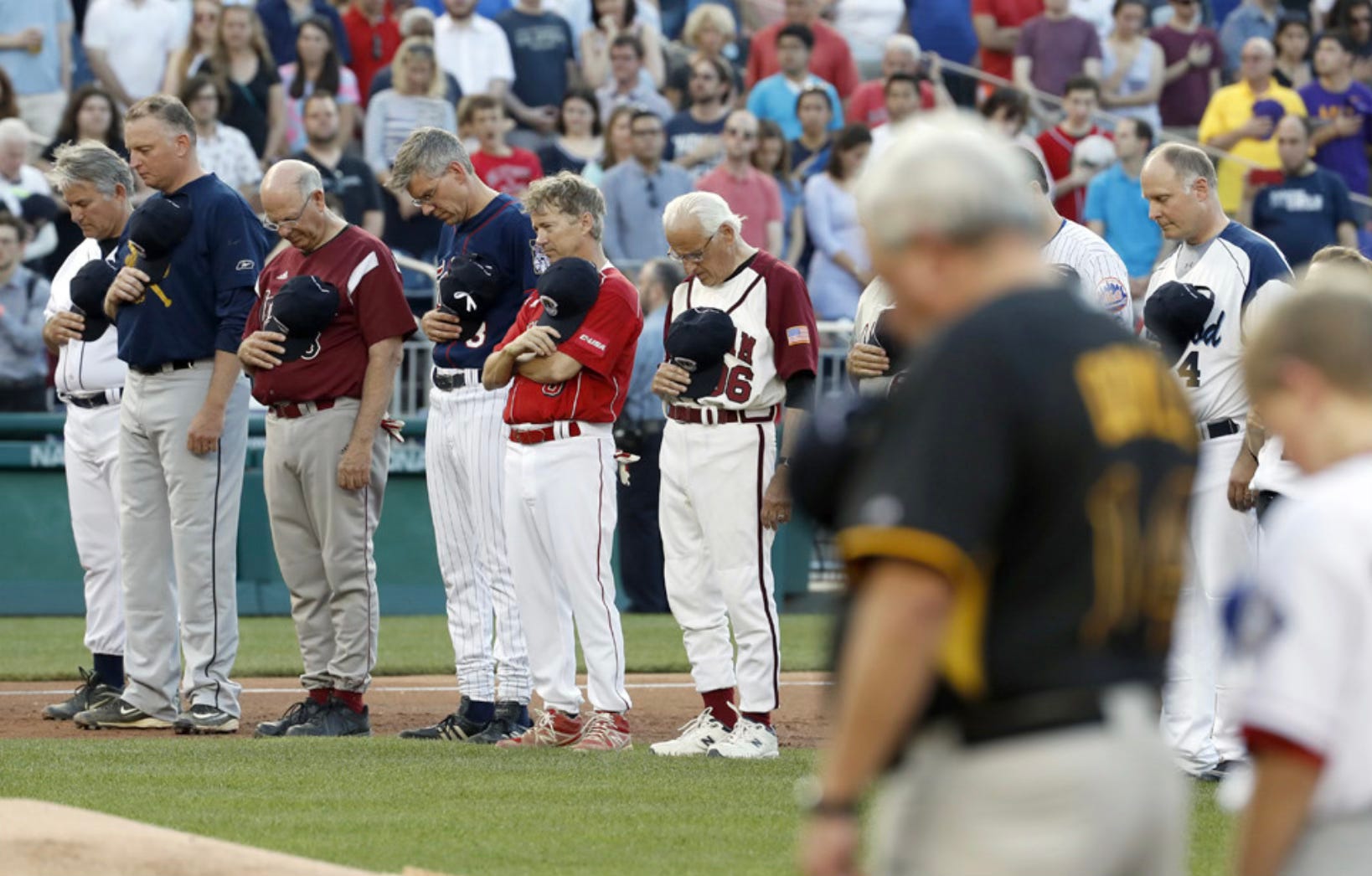
Congress, meanwhile, has stood still on reform. Despite broad public support for measures such as raising the minimum age to purchase guns and limiting high-capacity magazines, federal lawmakers have failed to act meaningfully. Even after a gunman opened fire at a congressional baseball practice in 2017 and insurgents led an armed insurrection of the Capitol, no major federal legislation followed. That inertia is no accident: the gun lobby’s grip has kept Congress from meaningful action, and the resulting vacuum has allowed the Court’s hierarchy of rights to harden.
And the public, weary from repeated horror, has adapted to the abnormal. Concert halls and theaters subject audiences to airport-style screening. Churches hire armed guards and install panic buttons. Public figures travel with heightened security. What began as extraordinary precautions have become cultural muscle memory, absorbed into daily life as though fear were part of the social contract. Each unremarked concession reflects a deeper acceptance: that the price of preserving one freedom is to hollow out another.
Charting a Path Forward
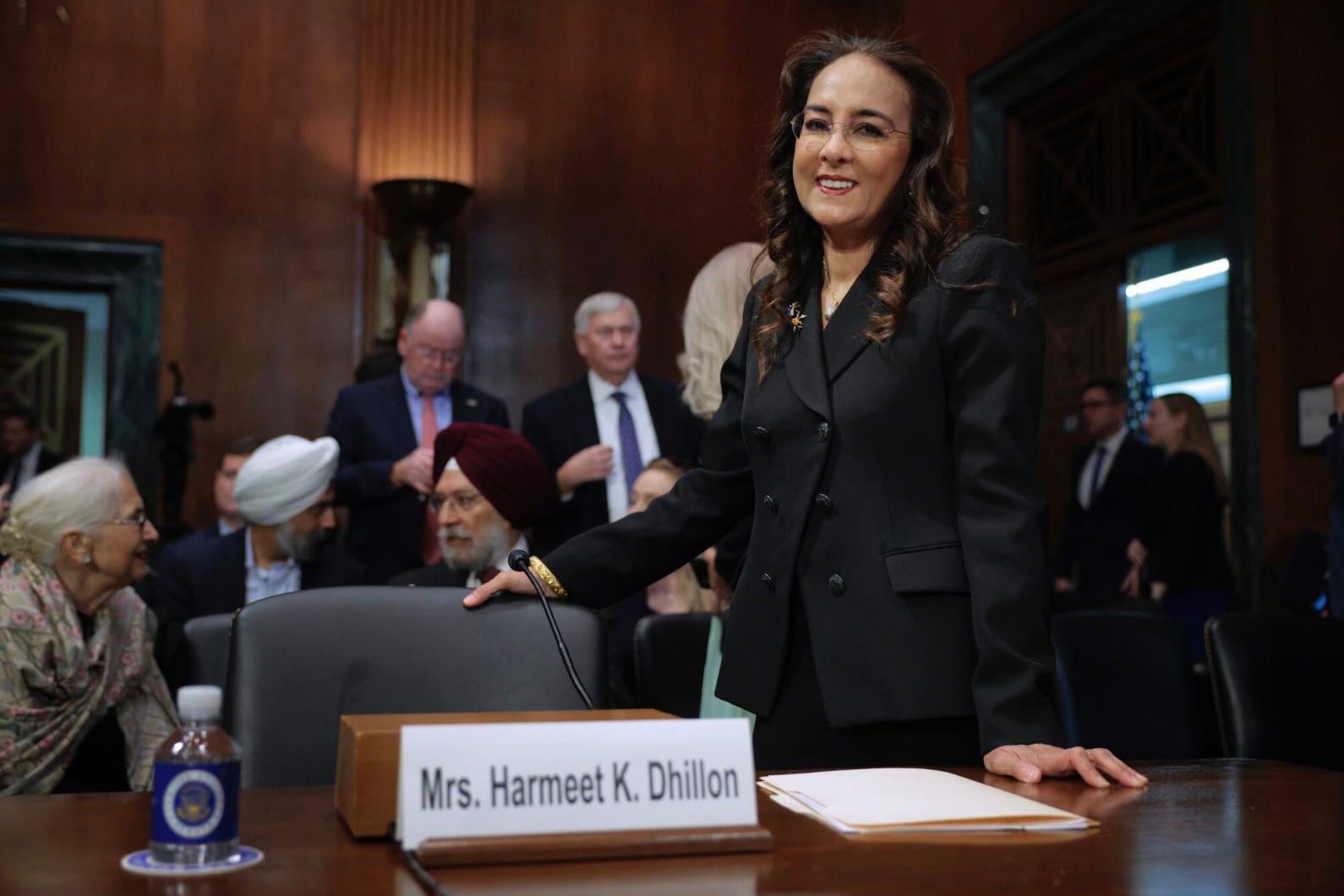
This trajectory has brought the country to yet another inflection point. With the Second Amendment Rights Section poised to open next week under the supervision of Assistant Attorney General for Civil Rights Harmeet Dhillon, national attention is now being redirected toward expanding gun protections. That shift overlooks the ongoing, deepening collision between two competing, fundamental liberties and forces the question of how we intend to resolve it. The answer lies where the conflict began: in the Constitution itself. Any lasting solution must address how the Second Amendment has been interpreted to overshadow the First - and use the same tools to bring the two back into balance.
Critics may wonder why the United States cannot simply strengthen existing gun laws, promote responsible ownership, or expand mental-health care to balance gun rights with free expression. After all, other democracies have proved the two freedoms can coexist; countries like Australia, the United Kingdom, and Japan have preserved both private gun ownership and robust free-speech protections.
The difference is that America’s dilemma is constitutional at its core. The right to own firearms is embedded in the nation’s founding charter, and a political culture has elevated the Second Amendment to near-sacred status. That combination makes our epidemic distinct; our constitutionally enshrined relationship with guns isn’t merely permissive, it is protective to the point of paralysis.
The First Amendment’s freedoms of speech, assembly, and worship falter under the pervasive threat of gun violence. When one amendment’s exercise - broad access to guns - directly undermines another’s - free expression in public spaces - the problem isn’t solely enforcement or culture. It is a constitutional contradiction no amount of policing or preventative intervention can resolve.
Gun rights advocates often claim that Second Amendment reform would betray the Constitution itself. But what is being defended today is less the Second Amendment as drafted in 1791 than the version manufactured by decades of political lobbying and NRA messaging. The framers wrote of a “well regulated militia,” not a limitless private arsenal. Even conservative legal scholars note that the modern doctrine reflects a late-20th-century political movement, fueled by strategic court challenges and shifting judicial philosophy. True constitutional fidelity here requires acknowledging when a modern reading of the Second Amendment produces tangible threats to public health and recalibrating the balance accordingly.
Some contend that owning or displaying guns is itself a form of First Amendment expression - political speech or symbolic association - and that any limit on the Second would actually chill the First. But the First Amendment has never been absolute: we restrict incitement, true threats, defamation, and even the time, place, and manner of protests to protect the broader freedom to speak and assemble. By the same logic, constitutional limits on firearms are justified when the unchecked presence of guns endangers the very discourse the First Amendment was meant to protect.
Skeptics may also wonder how the Constitution could ever be lawfully recalibrated to ease the tension between the First and Second Amendments. Yet that recalibration has already happened - just in favor of the right to bear arms. Over decades, courts have interpreted the Second Amendment into practical dominance, narrowing the space where speech, worship, and assembly can safely occur. The same tools that have expanded the Second can restore balance and tip the scale back towards true center, explicitly reinforcing the First Amendment’s guarantee of free exercise.
If judicial efforts fall short, the Constitution itself offers another path. As the nation’s defining authority, it contains the means to resolve the conflicts it creates; after all, the First and Second Amendments exist precisely because the original document was designed to adapt. Through the process laid out in Article V - ratification by two-thirds of Congress and three-quarters of the states or a constitutional convention - the country could adopt an amendment specifying that if the operation of Second Amendment rights results in a credible risk to open discourse, religious practice, or civic assembly, the constitutional hierarchy shall favor the First Amendment, empowering federal and state governments to impose narrowly tailored restrictions on firearms to safeguard those rights.
If the Second Amendment Rights Section intends to selectively elevate one constitutional right, it may further corrode the very conditions of safety and freedom that make other rights possible. Even without that, ignoring the existing imbalance will only entrench it. America, then, must choose: recalibrate the balance between the First and Second, or accept a future where one right grows unchecked while others slowly fade away.
Had a client who wanted a license to own and carry, but an ancient (early 80s) conviction of a crime had become a lifetime ban as a result of a 21st century state statute. There were ways to pursue this through the state courts, and judge shopping would have been involved, as it would be a jurist's whim to grant or deny. But after months of research (just digging up the records of this one incident took inordinate amount of time as the digitization and destruction of old files is all too commonplace now, and what gets saved is often incomprehensible), and time spent with the client ~ I came to the conclusion I'd better turn into an advertizing agency for a radical "second amendment" attorney from another part of the state instead. Why? Because my personal judgment of the man was that he should not be armed, and going forward I'd be secretly wishing the judge's whim would rule against us.
Guns are so unnecessary for anyone living in our urbanized suburbs. That our schools are now militarized zones is vomit worthy. Then too, so are the majority of our Supremes, for over the course of my 35 years at the bar they've converted that institution into a bizarrely anti-humanist tool, and too, they act as the loyal servants for the rich and militant-minded souls wrecking havoc on our social order planet-wide.
Then there's trying to explain what's going on for others to understand...well done in your efforts to make some sense out of the current state of play, counsel, keep up the good work.
Is interpreting the definition of the Second Amendment - unhinged from a well ordered militia - as a physical expression of the First Amendment not unlike the twisted "Citizens United" decision rendering "paper persons" more powerful than the overwhelming numbers of actual breathing human beings? The uphill recourse to Article Five would then require the upending of the latter perverse decision. The opening of a Gun Rights division within the profoundly distorted Civil Rights division of the Justice Department would be an expression of the hyper hierarchal white Christian Nationalist Project 2025 & by the states that are held captive Republican executive, legislative & judicial trifectas, would it not? More than 3x the magic 3.5% of citizens in Israel have been engaged in protests & legal efforts to undo their perverse current government. Are or can there be enough of us to engage in a sustained effort to remove, undo & constructively replace what the syphilitic order of Trumpenis has inserted continually into our body politic?